
US Robot Barriers Clash With China Scale
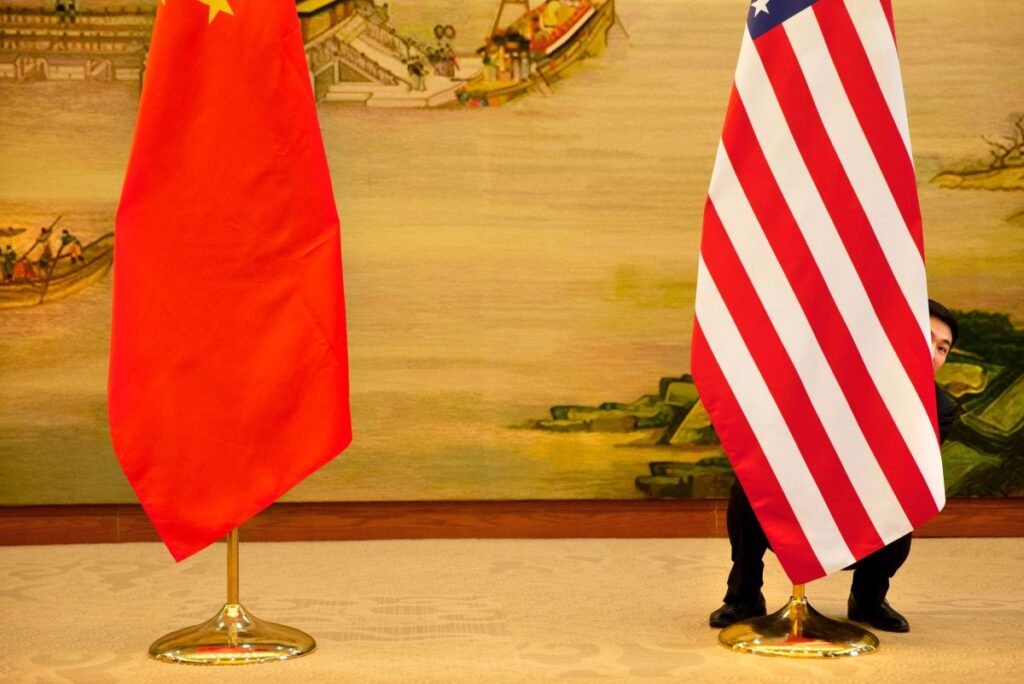
Washington has tightened restrictions on foreign-made advanced robotic systems and imposed steep tariffs on imported drones and components citing national security, according to a report by TechCrunch. The regulatory measures follow the expansion of the FCC Covered List to include foreign-made robotic devices alongside telecommunications equipment.
Despite these barriers, Chinese manufacturers maintain commanding positions in both drones and humanoid robots by competing at prices U.S. and European rivals struggle to match. Data cited by TechCrunch from Counterpoint Research shows global humanoid robot shipments reached 22,000 units in the first half of the year, with the five largest makers by shipments all based in China and accounting for 86 percent of the total market.
Industry executives note that robotics differs from semiconductors because it does not hinge on a single controlled technology. While the United States leads in frontier artificial intelligence, software, and semiconductor innovation, China maintains advantages in manufacturing scale, supply-chain depth, and cost control. Analysts speaking with TechCrunch suggest that sanctions alone will not bridge the cost curve, pointing instead to a fragmented global market where Chinese robotics firms expand into price-sensitive regions across Europe, Southeast Asia, Latin America, and the Middle East.
The drone sector offers an early preview of this divided landscape, splitting into a U.S.-led market focused on defense and critical infrastructure compliance and a China-led market driven by high-volume production. Industry leaders tell TechCrunch that future competition will likely shift toward foundational technologies like next-generation energy and payload architectures as manufacturers navigate mounting battery and power constraints.
Based on reporting by techcrunch.com.