Understanding the Agent2Agent Protocol for AI
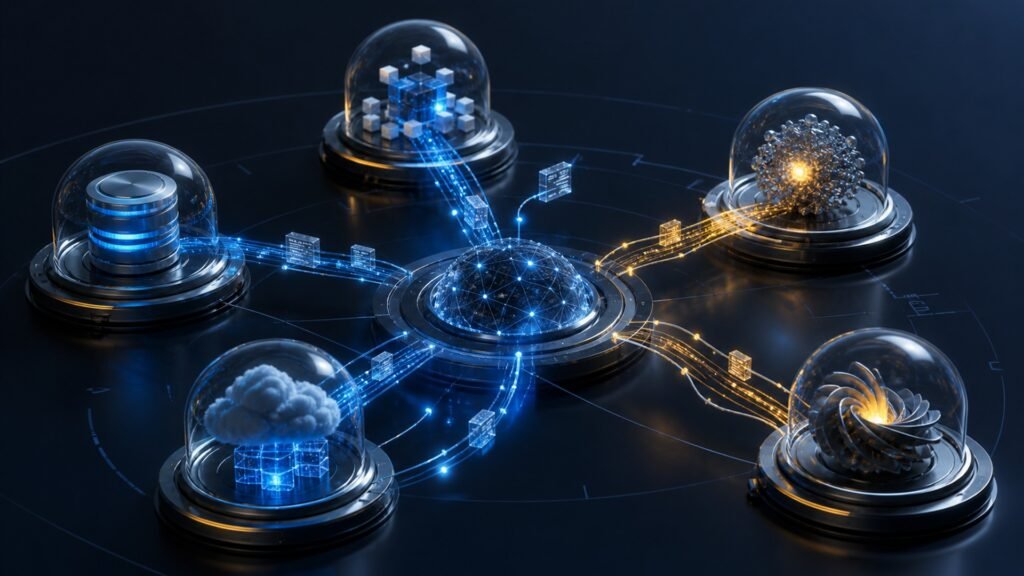
As artificial intelligence systems evolve toward greater autonomy, industry focus is shifting from isolated models to collaborative networks of software agents. According to a report by Unite.ai, the emerging Agent2Agent or A2A protocol provides a foundational framework designed to facilitate seamless communication and coordination between distinct AI agents.
Historically, artificial intelligence applications operated in silos, requiring direct human intervention to transfer data, trigger workflows, or integrate outputs across different platforms. The A2A protocol addresses this operational friction by establishing standardized communication channels and data-sharing formats. This allows specialized agents, such as a customer service assistant or a data retrieval tool, to autonomously discover, query, and pass tasks to one another without manual oversight.
The integration of protocol-driven agent collaboration marks a significant shift in software architecture. Rather than relying on monolithic models to handle every complex request, developers can deploy ecosystems of modular, specialized agents that distribute workloads efficiently. Industry analysts note that standardizing these interactions is crucial for scaling enterprise automation, reducing latency, and improving reliability in multi-agent deployments. As development continues, frameworks like A2A are expected to play a vital role in shaping how distributed artificial intelligence systems interoperate across enterprise environments.
Based on reporting by www.unite.ai.