
Designing Operating Environments for AI Agents
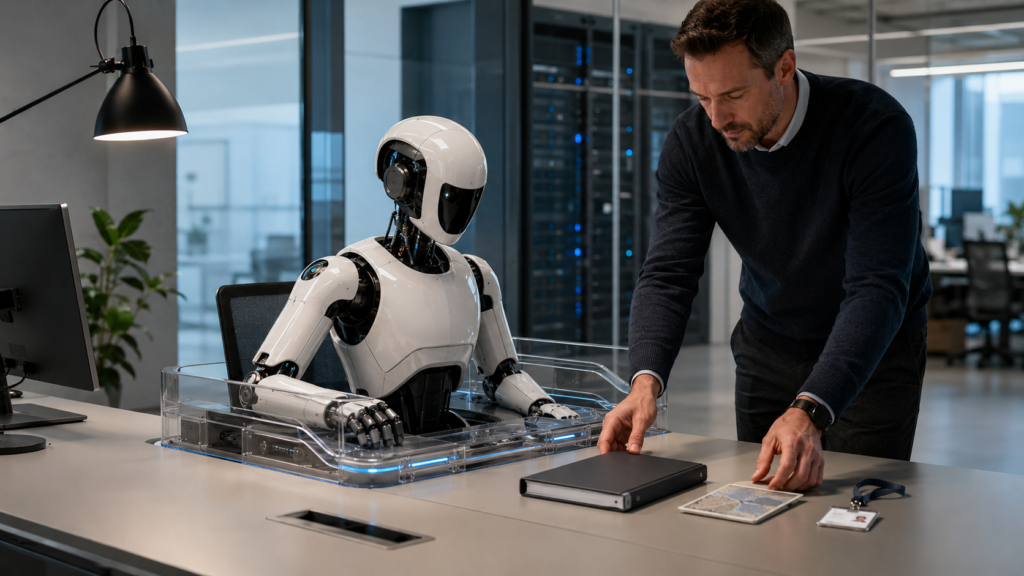
As autonomous artificial intelligence agents increasingly integrate into corporate workflows from day one, organizations must rethink how they build and manage operating environments for these tools, according to a recent report by Unite.ai. The rapid deployment of AI agents requires underlying software architectures that go beyond traditional user interfaces, focusing instead on robust APIs, structured data permissions, and reliable execution frameworks.
The Unite.ai analysis highlights that treating AI agents merely as supplementary chat interfaces limits their operational value. Instead, developers and enterprise leaders need to design dedicated runtime environments where software agents can safely execute multi-step tasks, access relevant databases, and interact with other business software without constant human oversight. This shift demands new security protocols, transparent audit trails, and standardized communication channels between different enterprise platforms.
As artificial intelligence adoption matures within the business sector, building scalable environments for autonomous workflows remains a primary engineering challenge. Companies must establish clear boundaries and operational safeguards to ensure agents can handle complex business logic efficiently while minimizing potential errors or security vulnerabilities.
Based on reporting by www.unite.ai.